Many of the aircraft we see were built in the 1940s and have been refitted, modified and amended many times over the years. It surprises me how often much if not all the original wiring remains. And much of it is in poor or very poor condition.
The original wire from the 1940 and 50s was neither as tough nor as fire resistant as modern material and unlike new cable, the insulation will give off hazardous fumes when burned. All things taken together, the case for renewal is often overwhelming.
Whilst some owners choose to complete the wiring upgrade at the same time as an avionics refit, change to 8.33 radios or the installation of Mode-S or ADS-B, some simply wish to retain their existing kit but reliability and safety by simply updating the wiring.
Over time, we have settled on a robust approach and have become increasingly reluctant to reuse parts of old systems. The temptation to reuse old switches, circuit breakers and the like to save a few pounds is obvious, but like the wiring, many of these old components were made to historic standards and some have also simply won-out. From a cost perspective the time and effort in tracking down a post-rewire fault die to an old reused component is often many multiples of the cost of simply replacing that component in the fist place. If in doubt, chuck it out…
One of our recent projects involved rewiring a 1947 Luscombe which had come in for something short of a rebuild but more than just regular maintenance. The project is ongoing but a few photos speak louder than a thousand words…
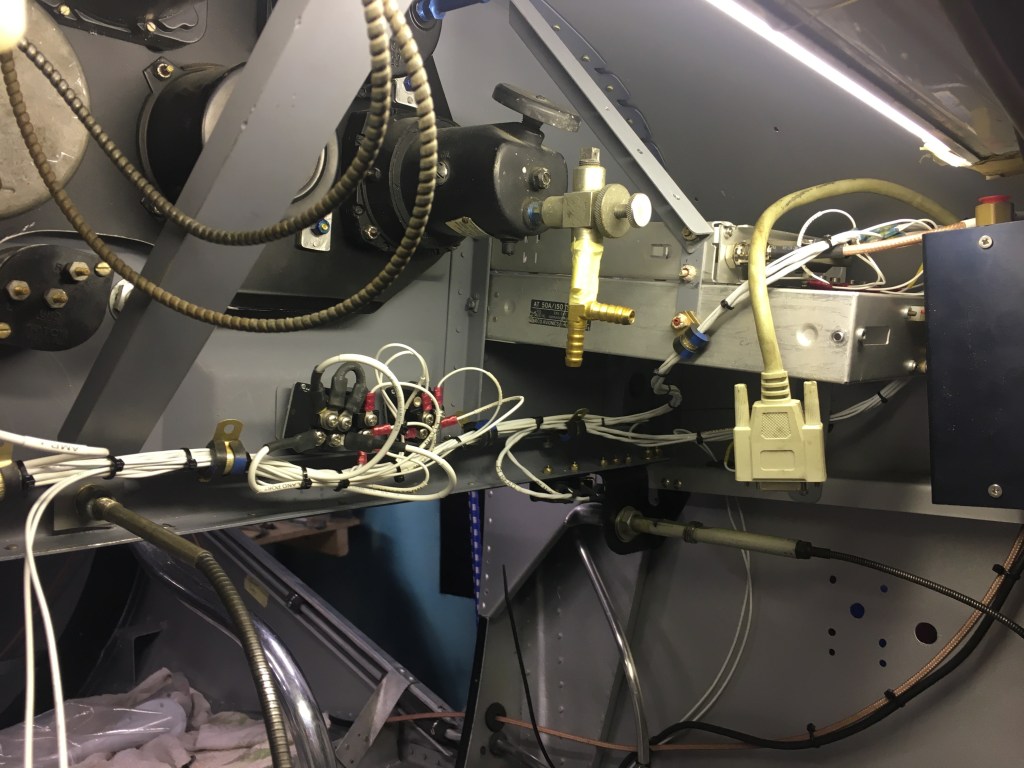
Lovely modern wiring all neatly labelled, tied and clipped in place. More work to do yet with pitot-static plumbing and final wiring.
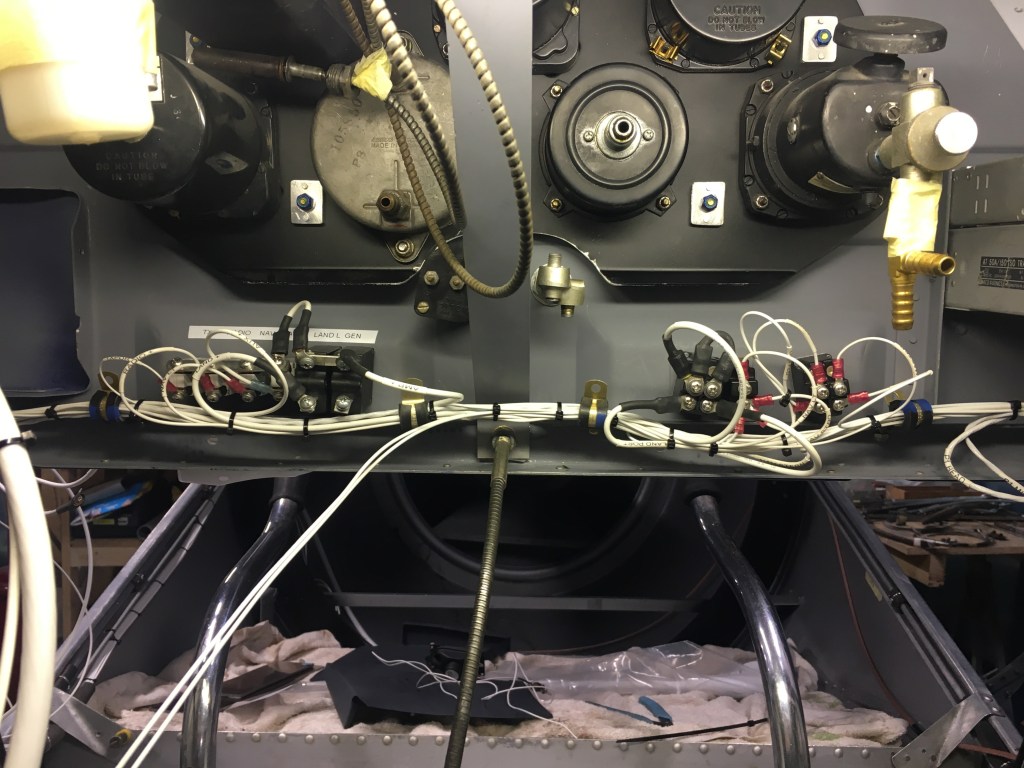
Original instruments retained, refurbished where necessary. All new wiring and switches.

This is typical of what comes out… Scrap metal. It’s often surprising how much weight is saved..
 Aeroplane Electrical